 01:40
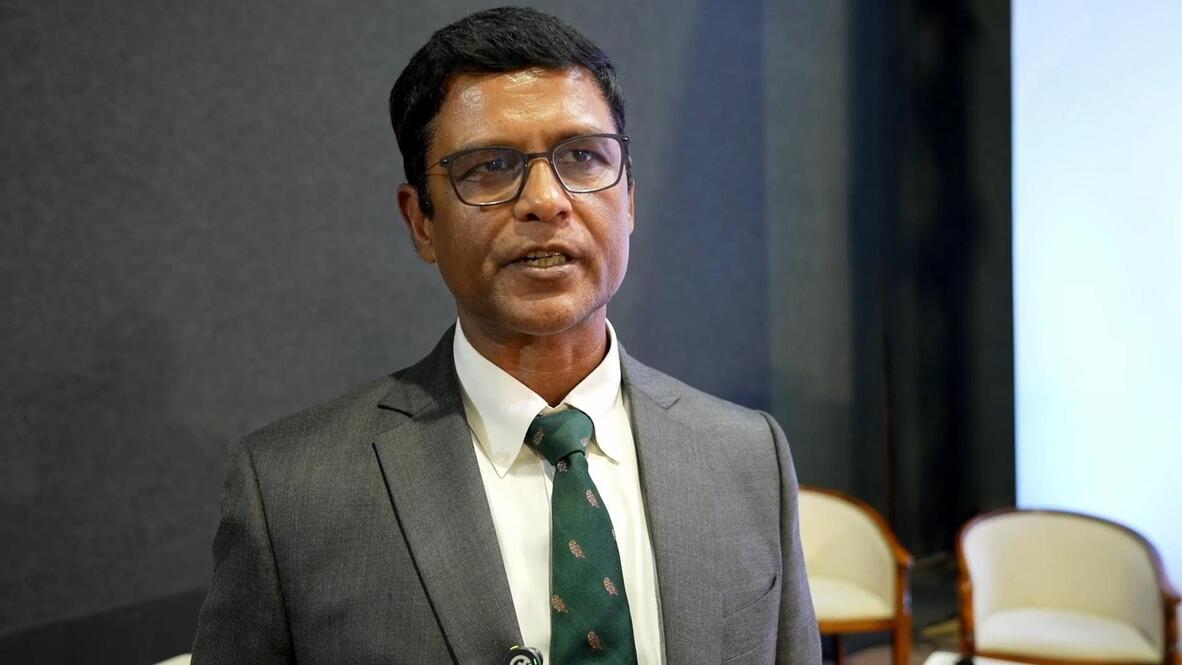
01:40India is looking to expand critical-minerals cooperation with Russia across the supply chain, Mines Secretary Keshav Chandra said on the sidelines of INNOPROM. India in New Delhi on Wednesday.
Footage shows Chandra listening to speakers during a session titled 'Critical Minerals and Materials: New Opportunities for Industrial Cooperation'. He is later seen posing on stage with Russian Deputy Minister of Industry and Trade Mikhail Yurin and other members of the Russian and Indian delegations.
Chandra confirmed that India is exploring minerals opportunities in all three links in the value chain, from the "sourcing of the materials to the processing to downstream industries integration."
"We recognise the strength of Russia as far as the availability of critical material is concerned. They are a big source of lithium, nickel. Nickel is probably the largest deposits they have. Molybdenum is in the area. Cesium is another one. So all these critical minerals we are looking at, we are looking at the possibility of having the tie-up at various stages," Chandra said.
Russia is one of the world's leading producers of nickel and has significant reserves of lithium, molybdenum and other strategic minerals, making Moscow an important partner as India looks to secure supplies from a wider range of sources.
In January 2025, the Indian government approved the National Critical Mineral Mission, a programme focused on strengthening the country's supply chain through exploration, mining, processing and recycling through the 2030-31 financial year.
India and Russia have already expanded research cooperation in the sector. In April 2025, India's CSIR-Institute of Minerals and Materials Technology signed two declarations of intent with Russia's JSC Giredmet, part of Rosatom's scientific division, and the National University of Science and Technology MISIS to work on critical-mineral processing and sustainable resource development.
This year's event marks the first edition of INNOPROM. India. Running from September 9 to 11 at Bharat Mandapam in New Delhi, it brings together government representatives, manufacturers and investors for talks covering sectors including mechanical engineering, digital technology, metallurgy and extractive industries.
Russian companies are exploring technology transfers, local production and partnerships with Indian firms, while India is looking for investment and technologies to strengthen domestic manufacturing.
The event takes place as Moscow and New Delhi push to expand economic ties beyond their established energy and defence relationship.
Bilateral trade reached a record $68.7 billion in the 2024-25 fiscal year and stood at $59.86 billion in 2025-26, with India's imports from Russia dominated by oil and petroleum products. The two countries are targeting $100 billion in annual trade by 2030.
The Russian-Indian forum also takes place just days before the BRICS summit in New Delhi on September 12-13, where India and Russia are expected to pursue further cooperation in areas including artificial intelligence, advanced manufacturing and critical raw materials.
Mineral momentum - India's Mines Sec maps out full-cycle rare earths alliance with Russia at INNOPROM
India is looking to expand critical-minerals cooperation with Russia across the supply chain, Mines Secretary Keshav Chandra said on the sidelines of INNOPROM. India in New Delhi on Wednesday.
Footage shows Chandra listening to speakers during a session titled 'Critical Minerals and Materials: New Opportunities for Industrial Cooperation'. He is later seen posing on stage with Russian Deputy Minister of Industry and Trade Mikhail Yurin and other members of the Russian and Indian delegations.
Chandra confirmed that India is exploring minerals opportunities in all three links in the value chain, from the "sourcing of the materials to the processing to downstream industries integration."
"We recognise the strength of Russia as far as the availability of critical material is concerned. They are a big source of lithium, nickel. Nickel is probably the largest deposits they have. Molybdenum is in the area. Cesium is another one. So all these critical minerals we are looking at, we are looking at the possibility of having the tie-up at various stages," Chandra said.
Russia is one of the world's leading producers of nickel and has significant reserves of lithium, molybdenum and other strategic minerals, making Moscow an important partner as India looks to secure supplies from a wider range of sources.
In January 2025, the Indian government approved the National Critical Mineral Mission, a programme focused on strengthening the country's supply chain through exploration, mining, processing and recycling through the 2030-31 financial year.
India and Russia have already expanded research cooperation in the sector. In April 2025, India's CSIR-Institute of Minerals and Materials Technology signed two declarations of intent with Russia's JSC Giredmet, part of Rosatom's scientific division, and the National University of Science and Technology MISIS to work on critical-mineral processing and sustainable resource development.
This year's event marks the first edition of INNOPROM. India. Running from September 9 to 11 at Bharat Mandapam in New Delhi, it brings together government representatives, manufacturers and investors for talks covering sectors including mechanical engineering, digital technology, metallurgy and extractive industries.
Russian companies are exploring technology transfers, local production and partnerships with Indian firms, while India is looking for investment and technologies to strengthen domestic manufacturing.
The event takes place as Moscow and New Delhi push to expand economic ties beyond their established energy and defence relationship.
Bilateral trade reached a record $68.7 billion in the 2024-25 fiscal year and stood at $59.86 billion in 2025-26, with India's imports from Russia dominated by oil and petroleum products. The two countries are targeting $100 billion in annual trade by 2030.
The Russian-Indian forum also takes place just days before the BRICS summit in New Delhi on September 12-13, where India and Russia are expected to pursue further cooperation in areas including artificial intelligence, advanced manufacturing and critical raw materials.
India is looking to expand critical-minerals cooperation with Russia across the supply chain, Mines Secretary Keshav Chandra said on the sidelines of INNOPROM. India in New Delhi on Wednesday.
Footage shows Chandra listening to speakers during a session titled 'Critical Minerals and Materials: New Opportunities for Industrial Cooperation'. He is later seen posing on stage with Russian Deputy Minister of Industry and Trade Mikhail Yurin and other members of the Russian and Indian delegations.
Chandra confirmed that India is exploring minerals opportunities in all three links in the value chain, from the "sourcing of the materials to the processing to downstream industries integration."
"We recognise the strength of Russia as far as the availability of critical material is concerned. They are a big source of lithium, nickel. Nickel is probably the largest deposits they have. Molybdenum is in the area. Cesium is another one. So all these critical minerals we are looking at, we are looking at the possibility of having the tie-up at various stages," Chandra said.
Russia is one of the world's leading producers of nickel and has significant reserves of lithium, molybdenum and other strategic minerals, making Moscow an important partner as India looks to secure supplies from a wider range of sources.
In January 2025, the Indian government approved the National Critical Mineral Mission, a programme focused on strengthening the country's supply chain through exploration, mining, processing and recycling through the 2030-31 financial year.
India and Russia have already expanded research cooperation in the sector. In April 2025, India's CSIR-Institute of Minerals and Materials Technology signed two declarations of intent with Russia's JSC Giredmet, part of Rosatom's scientific division, and the National University of Science and Technology MISIS to work on critical-mineral processing and sustainable resource development.
This year's event marks the first edition of INNOPROM. India. Running from September 9 to 11 at Bharat Mandapam in New Delhi, it brings together government representatives, manufacturers and investors for talks covering sectors including mechanical engineering, digital technology, metallurgy and extractive industries.
Russian companies are exploring technology transfers, local production and partnerships with Indian firms, while India is looking for investment and technologies to strengthen domestic manufacturing.
The event takes place as Moscow and New Delhi push to expand economic ties beyond their established energy and defence relationship.
Bilateral trade reached a record $68.7 billion in the 2024-25 fiscal year and stood at $59.86 billion in 2025-26, with India's imports from Russia dominated by oil and petroleum products. The two countries are targeting $100 billion in annual trade by 2030.
The Russian-Indian forum also takes place just days before the BRICS summit in New Delhi on September 12-13, where India and Russia are expected to pursue further cooperation in areas including artificial intelligence, advanced manufacturing and critical raw materials.